How to Choose the Perfect Wine for Your Valentine (Even If You’re Not a Wine Expert)
Valentine’s Day has a quiet way of raising the stakes around gifting. You want it to feel thoughtful, not rushed. Personal, not predictable. Somewhere between romance and reassurance sits wine, a gift that feels intimate, yet slightly intimidating.
Standing in front of endless bottles, it is easy to second-guess yourself. What if it tastes wrong. What if it feels too basic. What if it sends the wrong message altogether. That fear alone is often enough to make people walk away empty-handed.
Here is the comforting truth. You do not need wine knowledge, tasting notes, or expert recommendations to choose well. With the right approach, wine becomes one of the easiest Valentine’s gift choices, warm, meaningful, and far more forgiving than you think.
Why Wine Works as a Valentine’s Day Gift
Is wine really a good Valentine’s gift? If you have paused over that question, you are not alone. Many people worry that choosing the wrong bottle might send the wrong message.
Wine works because it is meant to be shared. When you open a bottle, you are not simply giving a gift. You are creating a moment that encourages conversation, closeness, and unhurried time together.
It also brings a quiet sense of celebration into the evening. Pouring a glass slows things down and adds intention, whether you are planning a full dinner or keeping the night simple.
Another reason wine feels like a safe choice is its versatility. You can build a date night around it, pair it with a meal, or give it on its own without it feeling incomplete.
Most importantly, wine feels personal without being risky. It shows thought and care without requiring expert knowledge, which is exactly why it works so well as a Valentine’s gift.
Step 1: Start With Your Valentine’s Taste Preferences
Before looking at labels or prices, pause and think about what your Valentine enjoys drinking. This small shift changes the process from guessing to choosing with intention, which instantly makes the gift feel more personal.
A good wine gift guide begins with preference, not expertise.
Choosing a Wine Style That Matches the Moment
Red wine suits evenings that feel warm and intimate, especially when dinner is part of the plan.
White wine feels fresh and easygoing, working well with lighter meals or relaxed at-home dates.
Rosé offers a balanced option with a modern, effortless feel, ideal when you want something thoughtful without formality.
Sparkling wine brings a sense of celebration. If Valentine’s Day feels like an occasion worth marking, bubbles naturally elevate the mood.
Understanding Sweetness Without Overthinking It
Sweetness is about taste, not terminology. Some wines feel fruit-forward and sugary, while others taste crisp and restrained.
You can often sense preference through everyday choices. A love for desserts or sweeter drinks usually points toward a sweeter style. A preference for bold flavors or unsweetened drinks often aligns with drier wines.
Dessert wines work best after a meal or alongside something sweet. Dry table wines suit dinner and conversation. The best choice depends on how you imagine the evening unfolding.
When you start with taste instead of rules, choosing wine becomes simpler, calmer, and far more personal as a Valentine’s gift.
Step 2: Let Your Valentine’s Personality Guide the Choice
Once taste is clear, personality becomes your strongest cue. Wine carries emotion and character, which makes it surprisingly easy to match a bottle to the kind of person you are gifting it to. This is where selection starts to feel intuitive rather than technical.
For The Romantic At Heart: If your Valentine values mood and connection, choose wines that feel smooth and elegant. These are bottles meant to be savored slowly, adding warmth and softness to the evening. They suit intimate dinners and moments where conversation matters more than complexity.
For The Curious And Adventurous: If your Valentine enjoys trying new things, lean toward wines with a story. Unique grape varieties or lesser-known regions add interest without feeling risky. These choices turn the gift into a conversation, not just a drink.
For The Classic And Refined: If your Valentine appreciates timeless choices, structured yet balanced wines work best. These styles feel polished and dependable, making them ideal for someone who values quality, tradition, and quiet confidence.
For The Relaxed And Easygoing: If your Valentine keeps things simple, choose wines that are approachable and crowd-pleasing. These options feel effortless and enjoyable without demanding attention, which makes them perfect for casual nights and low-pressure celebrations.
Matching wine to personality removes uncertainty and adds meaning. It turns a bottle into a reflection of the person receiving it, which is exactly what makes the gift memorable.
Step 3: Choose Wine That Fits the Way You Will Celebrate
Your Valentine’s Day plan matters just as much as the bottle itself. Wine feels more thoughtful when it complements the evening you have in mind, rather than standing apart from it. Thinking about how the night will unfold helps narrow choices quickly and confidently.
For A Home-Cooked Valentine’s Dinner: If you are planning a romantic meal at home, choose wine that works easily with familiar Valentine dishes. Red wines suit rich pastas, roasted vegetables, or hearty mains. White wines feel lighter alongside seafood or creamy dishes. The goal is balance, not perfection.
For A Wine And Chocolate Evening: If chocolate is the centerpiece, pairing matters more. Sweeter wines tend to work better here, as very dry options can taste harsh with chocolate. Look for wines that feel smooth and slightly rich, allowing both flavors to complement rather than compete.
For A Cozy Night With No Agenda: When the plan is comfort and conversation, choose wines that feel easy and welcoming. Soft, rounded styles suit slow sipping and relaxed pacing. These bottles add warmth to the evening without demanding attention.
For Gifting Without A Planned Meal: If wine is the gift itself, presentation becomes part of the experience. Choose bottles that feel elegant through their label, story, or overall aesthetic. These details signal intention and make the gift feel complete, even before it is opened.
Choosing A Wine When You Feel Completely Out Of Your Depth
If wine feels confusing, that is because it often is. Shelves are packed with names, numbers, and regions that do not explain what the bottle will actually taste like. The key is knowing what deserves your attention and what can safely be ignored.
Three Details That Make Selection Easier
Look first at the grape variety. Wines made from familiar grapes tend to be more predictable in flavor, which is helpful when buying for someone else.
Next, glance at the alcohol level. Bottles with moderate percentages usually feel smoother and less intense, making them easier to enjoy across different preferences.
Lastly, consider origin only as a comfort factor. Regions with established wine reputations often indicate reliability rather than complexity.
Why Middle-Of-The-Road Wines Rarely Disappoint
Wines that avoid extremes tend to please more people. Styles that are neither too light nor too bold feel adaptable, working well across meals, moods, and taste differences.
For gifting, these wines reduce risk and increase enjoyment, especially when you do not know detailed preferences.
What Price Really Tells You
Cost reflects many factors beyond taste, including branding and production scale. It does not measure how enjoyable a wine will be.
When you are choosing a wine as a gift without prior knowledge, thoughtful balance matters more than spending more. A carefully selected bottle at a reasonable price often feels more considered than an expensive guess.
If you are asking what wine to buy when you are not a wine expert, the answer is simpler than it seems. Focus on familiarity, moderation, and balance. That combination leads to confident, stress-free gifting.
Making Your Valentine’s Wine Gift Feel Thoughtful And Complete
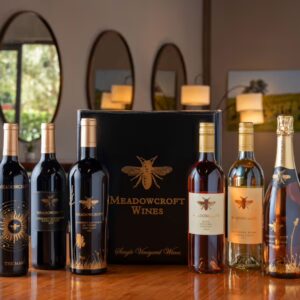
A wine gift feels special when intention shows through every detail, from the bottle you choose to how it is presented. Visual appeal matters more than people realize. A clean label, balanced design, or elegant bottle shape instantly signals care, even before the wine is opened.
Adding a handwritten note changes the emotional weight of the gift. It turns the bottle into a shared moment rather than an object, and even a short message can make the gesture feel personal and considered.
Presentation can be elevated further with simple additions. A wine box, quality corkscrew, or reusable stopper helps the gift feel complete without drawing attention away from the wine itself.
If you want a fast, reliable way to choose without second-guessing, use this quick guide to make a confident decision. A balanced, medium-bodied wine works best overall for Valentine’s Day. Smooth, approachable reds suit romantic dinners. Fresh white wines feel light and inviting. Sparkling wines naturally add a celebratory tone. When uncertainty remains, versatile styles that avoid extremes are the safest choice.
When selection and presentation align, wine stops feeling like a backup option and becomes a meaningful Valentine’s gift that feels intentional from start to finish.
Common Valentine’s Wine Mistakes To Avoid
- Relying On Price As A Quality Indicator: Many buyers assume expensive wines taste better, but price is often influenced by branding, packaging, and logistics. Well-made wines at moderate prices frequently offer better balance and wider appeal.
- Overlooking Your Valentine’s Actual Preferences: Choosing wine based on trends or general recommendations can miss the mark. A bottle aligned with familiar tastes feels more intentional and personal.
- Choosing Wines With Extreme Flavor Profiles: Very dry, very sweet, or high-alcohol wines can overwhelm the palate. Balanced styles tend to be more enjoyable, especially when gifting.
- Selecting Unfamiliar Or Overly Complex Wines: Rare grapes or obscure regions may sound impressive, but they can introduce unexpected flavors. For Valentine’s Day, approachability matters more than novelty.
- Ignoring When The Wine Will Be Enjoyed: Some wines are produced for long-term aging and may not taste ideal when opened immediately. A Valentine’s gift should be ready to drink and easy to enjoy.
Conclusion: A Thoughtful Choice Matters More Than A Perfect One
By now, one thing should feel clear. Choosing wine for Valentine’s Day is less about getting it right and more about choosing with care. When you think about taste, personality, and how the evening will unfold, you are already making a good decision.
Wine does not need to impress. It needs to fit. A bottle that feels considered, approachable, and ready to enjoy often means more than something rare or expensive. That is what makes the gesture feel genuine.
At the end of the day, the best Valentine’s wine is the one that supports the moment you are sharing. When the focus stays on connection rather than complexity, the choice feels natural, confident, and meaningful.
FAQs
1. What Is The Best Wine To Gift On Valentine’s Day?
The best wine is one that feels balanced and approachable. Medium-bodied wines work well because they suit different tastes, meals, and moods without feeling overwhelming.
2. Is Red Wine More Romantic Than White?
Red wine is often associated with romance because it feels warm and intimate, but romance depends more on the moment than the color. White wine can feel just as thoughtful when it matches the plan and preference.
3. What Wine Pairs Best With Chocolate?
Chocolate pairs best with wines that have some sweetness or richness. Very dry wines can clash with chocolate, while smoother styles create a more harmonious experience.
4. Should Valentine’s Wine Be Sweet Or Dry?
There is no single right answer. Sweet wines suit dessert-focused evenings, while dry wines work better with meals. The choice should reflect taste preferences rather than expectations.