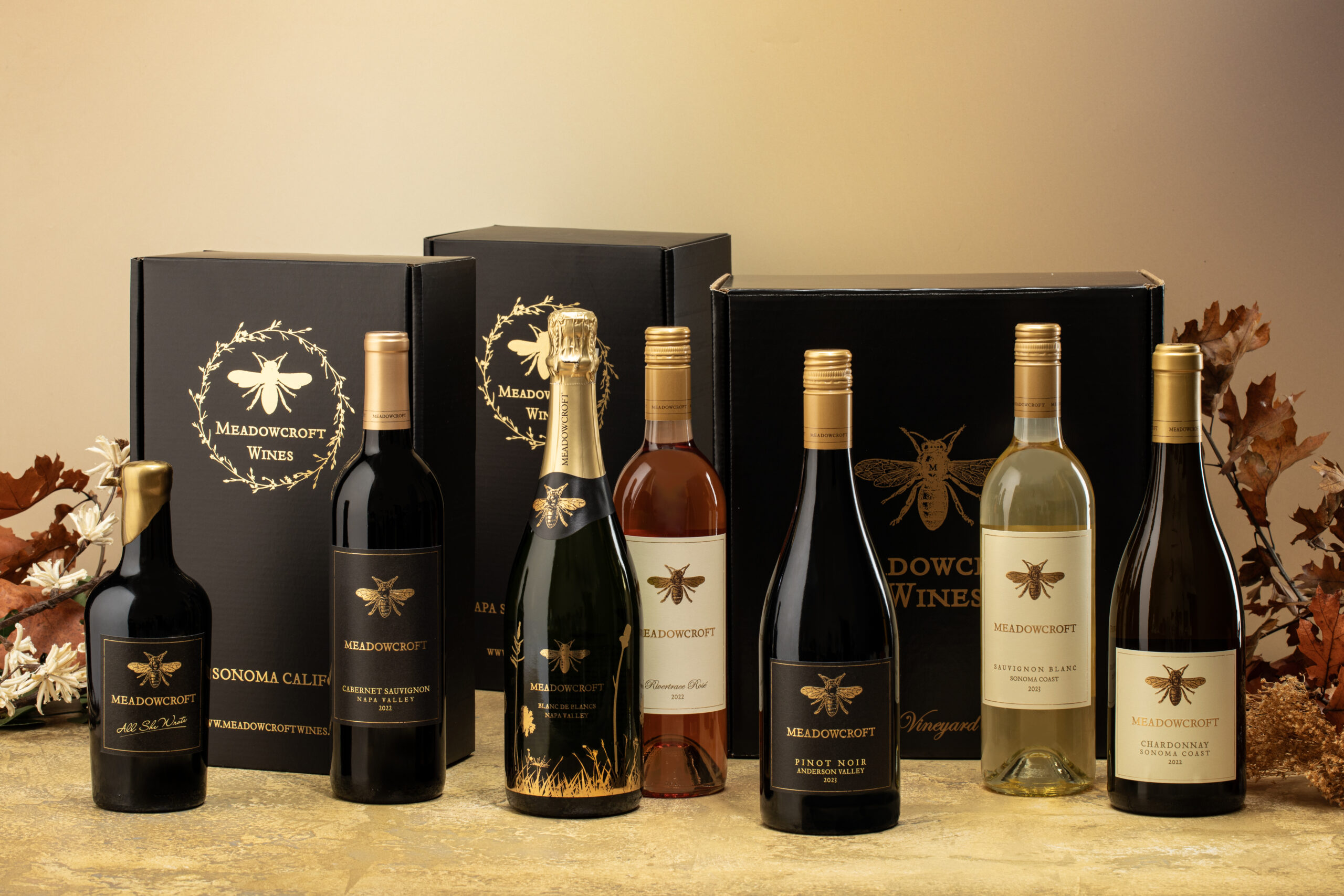
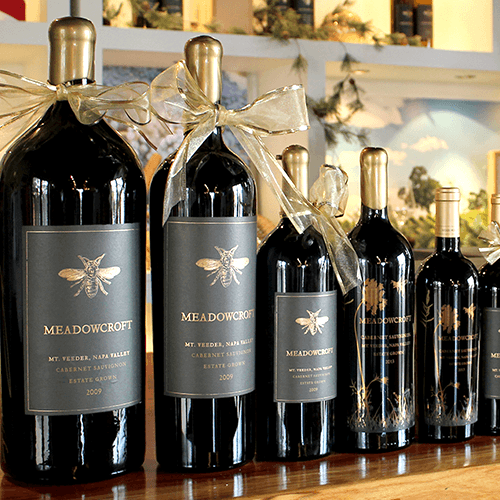
Red vs. White Wine: Matching The Right Wine With The Right Moment
Every occasion carries a certain mood before the wine is even poured. The setting, the company, and the timing all influence how the moment unfolds. Wine becomes part of that experience, shaping whether it feels relaxed, celebratory, or intimate. 
The discussion around red vs white wine often begins with personal preference, but it rarely ends there. A bottle that feels right in one setting can feel out of place in another. More often than not, the difference lies in the moment, not the wine itself.
Understanding how red or white wine fits different situations helps you choose with intention. When the wine aligns with the occasion, the experience feels natural rather than uncertain.
This is why choosing between red vs white wine is less about habit and more about context. When the wine matches the moment, everything feels considered. When it does not, something feels slightly off.
That balance is what makes the difference. Let us dive in.
Red Wine Vs White Wine: What Sets Them Apart
At the core, red and white wines differ because of how the grapes are handled before and during fermentation. This process shapes everything from color to texture and mouthfeel.
How Red And White Wines Are Made
Red wine is made by fermenting crushed grapes along with their skins, seeds, and sometimes stems. This extended contact extracts color, tannins, and complex flavors from the grape skins. The result is a wine that often feels structured and layered.
White wine follows a different approach. The grape skins are usually removed before fermentation begins. Only the juice is fermented, which keeps the wine lighter in color and more restrained in structure.
Differences In Grape Processing And Fermentation
Skin contact is the defining factor. In red wine, longer fermentation with skins adds depth, bitterness, and aging potential. In white wine, limited or no skin contact preserves freshness, acidity, and aromatic clarity.
Fermentation temperatures also vary. Red wines typically ferment at warmer temperatures to extract more from the skins. White wines ferment at cooler temperatures to protect delicate flavors and aromas.
Color, Tannins, And Texture Comparison
The deep color of red wine comes directly from grape skins. Along with that color come tannins, which create a drying sensation and add weight to the wine’s texture.
White wine ranges from pale straw to golden hues and contains little to no tannin. The texture feels smoother, lighter, and more fluid on the palate, with acidity playing a bigger role than structure.
These differences are subtle on paper but noticeable in the glass, and they explain why each style fits certain moments better than others.
Flavor Profile Comparison: Red Vs White Wine
Flavor is where the personality of a wine really shows up. It is also where many people form quick opinions, often without realizing what they are responding to.
Red Wine Flavor Profile
Red wines tend to feel bold and expressive on the palate. They carry more weight, linger longer, and often unfold in layers rather than all at once.
Common flavors include dark and red berries, plum, and cherry, often supported by notes of spice, cocoa, tobacco, or oak. Some reds feel smooth and rounded, while others are firm and intense, depending on the grape and how the wine is made.
These qualities are what make red wines feel grounding and substantial, especially when you want the wine to hold its own.
White Wine Flavor Profile
White wines lean toward clarity and freshness. They usually feel lighter, cleaner, and more direct, with flavors that show up quickly and finish crisp.
Typical tasting notes include citrus, green apple, pear, and stone fruits, often paired with floral or mineral touches. Acidity plays a leading role, giving white wines their refreshing edge and easy-drinking nature.
This brightness is what makes white wines feel effortless and lively, particularly when you want something that refreshes rather than settles in.
Alcohol Content And Body Comparison
Alcohol and body influence how a wine feels long after the first sip. They shape intensity, balance, and how easy a wine is to enjoy over time.
Typical alcohol levels vary between red and white wines. Red wines often fall in a slightly higher range, usually between 12.5 percent and 15 percent alcohol by volume. White wines generally sit lower, commonly between 11 percent and 13.5 percent. This difference affects warmth and weight on the palate rather than taste alone.
Body describes how heavy or light a wine feels in the mouth. Full-bodied wines feel richer and more filling, while light-bodied wines feel smoother and more fluid. Red wines are more commonly medium to full-bodied, though lighter styles do exist. White wines are often light to medium-bodied, with a cleaner and more delicate feel.
For beginners, lighter-bodied wines are usually easier to approach. They feel less intense, are simpler to drink, and place less focus on alcohol or structure. This is why many people find white wines or lighter red wines more comfortable starting points, especially when building confidence with different styles.
Choosing The Right Wine For Occasions, Food, And Social Settings
Wine choices make the most sense when you look at the full picture. Who is there, what is being served, and how the moment is meant to feel all matter equally. Red and white wines behave differently once food, mood, and group dynamics enter the equation.
Casual Gatherings And House Parties
At informal gatherings, wine is meant to blend into the background while still being enjoyable. These settings usually involve mixed palates and light snacking rather than structured meals.
White wines work well with finger foods, salads, and vegetarian dishes because their acidity keeps the palate fresh. Lighter red wines suit pasta, grilled vegetables, and mild cheeses without feeling heavy. The focus here is drinkability and balance rather than intensity.
Romantic Dinners And Intimate Meals
More personal settings allow wine to play a stronger supporting role. The choice often depends on both the tone of the evening and the main dish.
Red wine pairs naturally with red meat, rich sauces, aged cheese, and slow-cooked dishes, adding warmth and depth to the meal. White wine suits seafood, chicken, and lighter vegetarian plates, keeping the experience smooth and unhurried. Matching the wine to both mood and food prevents either from overpowering the other.
Celebrations, Weddings, And Corporate Events
Larger events demand versatility. Guests arrive with different expectations, and meals are often designed to appeal to a wide audience.
Balanced white wines pair easily with starters, salads, chicken, and vegetarian options, making them reliable crowd choices. Medium-bodied red wines complement buffet-style meals, grilled items, and pasta without overwhelming the palate. Offering both styles ensures flexibility across courses and preferences.
Wine Gifting Across Occasions
When wine is given as a gift, it should feel appropriate for both the recipient and the setting in which it will be opened.
Red wine works well for formal dinners, festive evenings, and recipients who enjoy structured meals and slower drinking. White wine is a safer option when food choices are unknown or when the occasion leans casual, daytime, or warm-weather focused. Its adaptability across dishes makes it easier to enjoy without planning.
When occasion and food are considered together, the red versus white decision becomes clearer. The right wine supports the moment, complements the meal, and fades seamlessly into the experience rather than competing with it.
Wine Types To Know And How To Choose The Right One
Knowing a few key wine types removes much of the uncertainty around choosing a bottle. Once the basics feel familiar, decision-making becomes simpler and more intuitive.
Popular Red Wine Varieties
Red wines vary widely in intensity and texture, which is why they suit different preferences and situations.
Cabernet Sauvignon is full-bodied with firm structure and deep flavors. It works well for those who enjoy bold wines and pair them with hearty meals.
Merlot is smoother and more approachable, with softer tannins and rounded fruit notes. It suits casual drinking and appeals to a wide range of palates.
Pinot Noir is lighter in body with higher acidity and subtle complexity. It is often preferred by those who want elegance without heaviness.
Popular White Wine Varieties
White wines are known for freshness, but each variety offers a distinct experience.
Chardonnay can be crisp and mineral-driven or rich and creamy, depending on production style. It works for both light dishes and richer preparations.
Sauvignon Blanc is aromatic and sharp, with clean acidity and bright flavors. It pairs well with fresh foods and lighter meals.
Riesling ranges from dry to slightly sweet, with vibrant acidity and floral notes. It suits those who enjoy expressive flavors and balance.
Common Myths About Red Vs White Wine
| Myth | Why People Believe It | What Actually Matters |
| Red wine is always stronger | Deeper color and tannins create a heavier, more intense mouthfeel | Alcohol content and body depend on the wine style, not the color |
| White wine is only for beginners | Lighter texture is often mistaken for simplicity | White wines can be complex, structured, and enjoyed by experienced drinkers |
| Red wine must always be aged | Fine red wines are often associated with long aging | Many red wines are made to be enjoyed young and fresh |
| White wine cannot be aged | White wine is commonly linked to freshness and early drinking | Several white wines can age well when acidity and balance are present |
| Red wine always pairs better with food | Traditional pairing rules favor red wines with meals | Food pairing depends on weight, texture, and flavors rather than wine color |
Closing Thoughts: Choose Wine That Fits The Moment
Choosing the right wine becomes easier when you focus on what feels right rather than what sounds correct. Personal taste should always come first. If you enjoy lighter, fresher flavors, white wines or lighter reds will feel more satisfying. If you prefer depth and richness, fuller-bodied red wines are more likely to suit you.
Season and weather also shape how a wine is experienced. Warmer conditions often favor refreshing styles, while cooler evenings tend to suit wines with more body and warmth. Let the environment guide your choice instead of fixed rules.
Experience level should never limit curiosity. Beginners benefit from starting with approachable wines, while experienced drinkers can explore broader styles. Both are part of the same journey, and there is no right pace.
The most rewarding wine choices come from experimentation. Try different grape varieties, compare styles across seasons, and notice how the same wine feels in different settings. Each bottle teaches you something. The more you explore, the more confident your choices become.
Frequently Asked Questions
1. Which Is Better: Red Wine Or White Wine?
Neither red nor white wine is better by default. The right choice depends on personal taste, the occasion, and the food being served. Both styles offer distinct qualities and suit different moments.
2. Which Wine Is Best For Beginners?
Beginners often find lighter-bodied wines easier to enjoy. Smooth red wines with soft structure and crisp white wines with balanced acidity are usually comfortable starting points.
3. What Wine Works For Most Occasions?
Wines with moderate alcohol and balanced flavors work well across settings. Medium-bodied red wines and fresh, versatile white wines tend to suit a wide range of meals and social situations.
4. Can White Wine Be Served At Formal Dinners?
Yes, white wine fits well in formal settings. Many white wines pair beautifully with structured menus and elegant dishes, making them appropriate for both casual and formal occasions.