How Long Does White Wine Last in the Fridge After Opening?
A good bottle of white wine can lose its charm surprisingly quickly after the first pour. What starts as a crisp, aromatic glass can taste flat, sour, or noticeably different a few days later.
That leaves a common question: how long does white wine last in the fridge after opening? In general, opened white wine stays at its best for about 3 to 5 days when refrigerated and properly sealed. The exact timeframe varies by wine style, oxygen exposure, and storage method.
Knowing how oxidation affects wine and how to store an opened bottle properly can help preserve its freshness, aroma, and character for as long as possible. This is especially useful when you want to enjoy Sonoma County white wines over more than one sitting without compromising the next glass.
How Long Does White Wine Last in the Fridge After Opening?
The type of wine can make a noticeable difference once the bottle has been opened. Its acidity, sugar level, alcohol content, and exposure to oxygen all influence how quickly its character changes.
|
White Wine Style |
Approximate Freshness After Opening |
| Light-bodied whites |
3 to 5 days |
|
Full-bodied whites |
3 to 5 days |
|
Sparkling whites |
1 to 3 days with a sparkling wine stopper |
| Sweet or dessert wines |
Several days to a week or longer, depending on the style |
- Light-Bodied Whites: Wines with bright acidity can retain their crisp character for several days when sealed and chilled properly.
- Full-Bodied Whites: Richer styles can also remain enjoyable for several days, although oxidation may become noticeable as their aromas and flavors begin to fade.
- Sparkling Whites: Carbonation disappears faster than other wine characteristics. A dedicated sparkling wine stopper can slow the loss of bubbles after opening.
- Sweet or Dessert Wines: Higher sugar levels can give some sweet wines greater staying power, although the exact lifespan varies considerably by style and production method.
The number of days is only part of the answer. An opened bottle may still be drinkable after its peak freshness has passed, but that does not mean it will taste the way the winemaker intended. Look for changes in aroma, flavor, and appearance before deciding to pour another glass.
What Happens to White Wine After You Open It?
Opening a bottle changes the wine’s environment. Before opening, the liquid is largely protected from air. Once the cork or screw cap comes off, oxygen reaches the wine and starts a series of reactions that gradually alter its character.
This is oxidation. At first, oxygen can briefly bring out aromas and make certain wines seem more expressive. With continued exposure, the effect moves in the opposite direction. Delicate fruit and floral notes become harder to detect, while the wine may develop muted flavors and a less vibrant finish.
The change can be subtle at first. A white wine that initially tastes bright and fruit-forward may gradually seem flatter, with less distinction between its aromas and flavors. In heavily oxidized wine, fresh characteristics can give way to nutty, bruised-fruit, or sherry-like notes that were not part of its original profile.
Temperature affects how quickly these reactions occur. Refrigeration slows oxidation rather than stopping it, which is why a chilled bottle changes more slowly than one left at room temperature. The wine continues to evolve in the refrigerator, just more slowly.
How to Store Opened White Wine in the Fridge
Proper storage comes down to limiting air exposure and keeping conditions stable. A few simple habits can preserve the wine’s character for longer:
Reseal the Bottle Tightly
After pouring, close the bottle securely before putting it away. The original cork or screw cap can work well if it still creates a tight seal. Otherwise, an airtight wine stopper can limit the air entering the bottle.
Refrigerate It Promptly
Place the bottle in the refrigerator soon after serving. Leaving opened wine at room temperature for long periods gives oxidation more opportunity to change its aroma and flavor.
Keep the Bottle Upright
An opened bottle is best stored upright. This position reduces the wine’s surface area in contact with the air inside the bottle, particularly as the bottle becomes less full.
Maintain a Consistent Temperature
Keep the bottle chilled rather than moving it repeatedly between the refrigerator and warmer conditions. A stable, cold environment slows the changes that occur after opening.
Consider a Wine Stopper or Vacuum Saver
A wine stopper is a practical choice for bottles that you expect to finish within a few days. For bottles with a larger amount left over, a vacuum wine saver can remove some of the air before refrigeration. These methods can reduce air exposure, but they cannot keep opened wine fresh indefinitely.
How Long Different Types of White Wine Last After Opening
Not all white wines change at the same pace after opening. Acidity, alcohol, residual sugar, body, and carbonation all influence how a wine holds its character once it is exposed to air.
Crisp, Light-Bodied White Wines
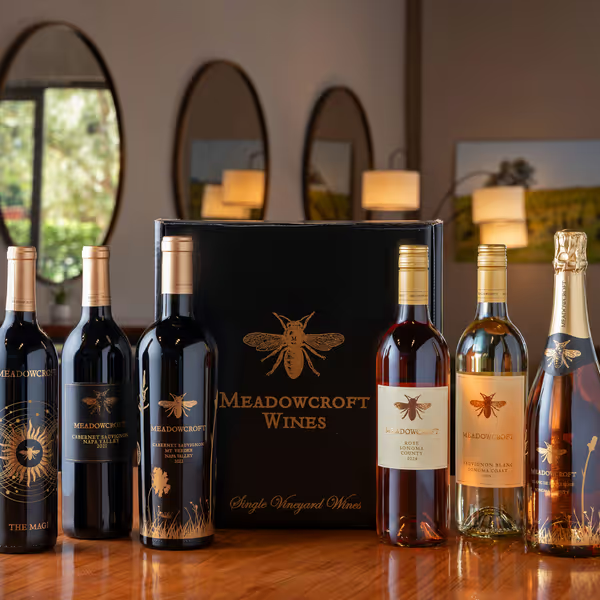
Light-bodied wines with noticeable acidity tend to retain their lively character for several days when properly sealed and refrigerated. Sauvignon Blanc, Pinot Gris, and Pinot Blanc are good examples. Meadowcroft Sauvignon Blanc, for instance, is characterized by bright acidity and fresh citrus and fruit notes, qualities that can become less pronounced as the wine ages after opening.
Full-Bodied White Wines
Richer whites such as Chardonnay and Viognier can have broader textures and more developed fruit or oak characteristics. Their freshness can change as oxygen exposure increases, with delicate aromas becoming less distinct over time. Meadowcroft Chardonnay is a useful example of a fuller white with fruit, acidity, and subtle toasted oak characteristics.
Sparkling White Wines
Sparkling wines have an additional factor to consider: carbonation. Once the bottle is opened, carbon dioxide gradually escapes, so the wine can lose its lively bubbles even while its other qualities remain relatively intact. A sparkling wine stopper can slow this loss. Meadowcroft Blanc de Blancs is an example of a sparkling white where preserving the wine’s effervescence is particularly important.
Sweet White Wines
Sugar can contribute to a wine’s ability to retain its character after opening, although sweetness alone does not determine how long a bottle will remain enjoyable. Acidity, alcohol, production style, and storage conditions also matter. Meadowcroft’s Blooming Meadow, for example, combines a touch of sweetness with crisp acidity and a refreshing profile, illustrating why several characteristics should be considered together rather than relying on sugar content alone.
The best way to judge an opened bottle is to consider its overall style rather than apply one timeline to every white wine. A highly acidic Sauvignon Blanc, a rich Chardonnay, and a sparkling Blanc de Blancs can respond quite differently to the same amount of time in the refrigerator.
How to Know If Your Opened White Wine Is Still Good
Notice Unusual Smells
Start with the nose. A sharp vinegar smell, musty odor, or stale scent that seems distinctly different from the wine’s original profile can indicate that the bottle is past its best.
Check for Unexpected Color Changes
White wine can darken as it ages after opening. A pronounced shift toward brown or deep amber, particularly when the wine originally had a pale color, can be a sign that its condition has changed.
Pay Attention to the Taste
If the wine looks and smells normal, take a small sip. A distinctly unpleasant, harsh, overly sour, or unusually flat taste suggests that the bottle is no longer enjoyable.
Know What This Means for Safety
A wine that has oxidized is generally a quality concern rather than an automatic food-safety concern. In other words, it may taste unpleasant without necessarily being unsafe because it has lost its freshness. If the wine has an unusual appearance, odor, or taste and you are unsure about its condition, discarding it is the safer choice.
Closing Thoughts
An opened bottle does not have to be finished in one sitting. With the right storage, you can preserve much of its original character for several days and make a more informed decision about when it is time to move on from the bottle.
For white wine lovers in Sonoma County and beyond, that means paying attention to the wine itself rather than relying on a fixed expiration date. Its aroma, color, and taste can tell you more about its condition than the number of days since opening.
At Meadowcroft Wines, each bottle reflects the character of its varietal and origin. Store it carefully, serve it at its best, and enjoy the remaining wine while those distinctive qualities are still in the glass.
FAQs
Can You Drink White Wine That Has Been Open for a Week?
You can assess it based on its condition rather than the calendar alone. After a week, many white wines will have lost noticeable freshness, so check the aroma, color, and taste before drinking. If the wine has developed an unpleasant smell or flavor, discard it.
Does Opening a Wine Bottle Multiple Times Make It Lose Freshness Faster?
Yes. Each time you open the bottle, more air enters the remaining wine. Repeated pouring and resealing can therefore accelerate changes in aroma and flavor, particularly when only a small amount remains.
Does the Bottle Closure Affect How Long Opened White Wine Lasts?
The quality of the seal can influence how quickly the remaining wine changes. A tightly fitted cork, screw cap, or airtight wine stopper can limit air exchange more effectively than leaving the bottle loosely covered.
Can You Store Opened White Wine at Room Temperature?
You can temporarily leave an opened bottle at room temperature, but it will generally lose its freshness faster than a properly sealed bottle kept refrigerated. If you plan to save the remaining wine, refrigeration is the better choice.
Does a Smaller Amount of Wine in the Bottle Go Bad Faster?
Generally, yes. As the wine level drops, more empty space remains inside the bottle. That creates a larger volume of air above the wine, increasing its exposure to oxygen and potentially speeding up quality changes.